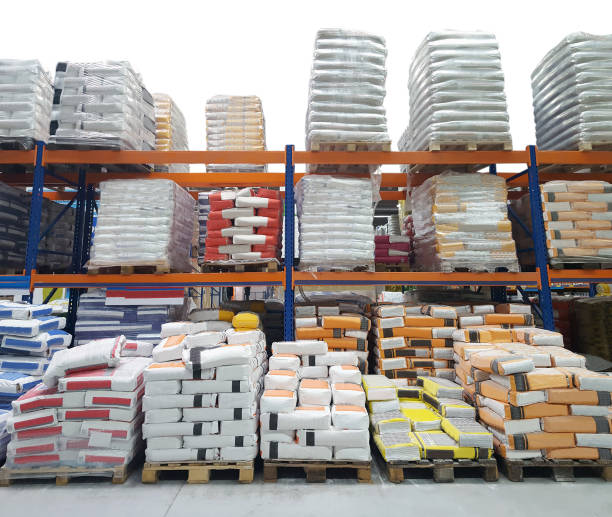
The housing market in the nation is still not out of the woods, as rising construction material costs continue to have an effect on rents and the price of providing affordable housing for citizens.
Many real estate developers are not having the best of times in the industry because Nigeria’s inflation rate, which was over 19% as of July, is so high. Due to economic difficulties, such as the price of purchasing land, the lack of skilled labor, fluctuating foreign exchange, logistics issues, and supply bottlenecks that negatively impacted projections, they have started an upward review of prices of units in their stocks and delivery timelines for projects.
Over 60% of the overall cost of constructing a building is spent on materials, with the remaining 40% going toward labor.
In the previous year, the cost of basic construction supplies like reinforcement, sand, roofing sheet, tiles, cement, and granite increased by more than 100%.
For example, cement, which was previously N2, 500, is now N4, 300, and a kilogram of 8mm reinforcement, which cost N441, 000 in April, is now N475, 000. The same is true of stone, which was once sold for N140, 000 for 30 tonnes but now costs over N320, 000 for the same amount.
In recent years, landlords and property managers have increased rent by 80% in key cities like Lagos, Abuja, Ogun, Ibadan, Port Harcourt, and Kano as a result of the development.
One-bedroom apartments in upscale areas of Lagos typically cost around 900,000 per year to rent. Three-bedroom rentals range from N1.9 million to N4 million or more. A two-bedroom apartment used to cost between N1 million and N1.2 million from a landlord, but this price has now increased.
Rent for a one-bedroom apartment in Abuja can reach N1.2 million or N1.5 million. A duplex could cost as much as N2.5 million per year in Ogun State’s affluent neighborhoods like Abeokuta GRA and others.
Apartment rents in Ibadan’s strategic regions, which were previously N1 million, have increased to about N1.5 million.